Clogged Sewer Repair in San Antonio, TX
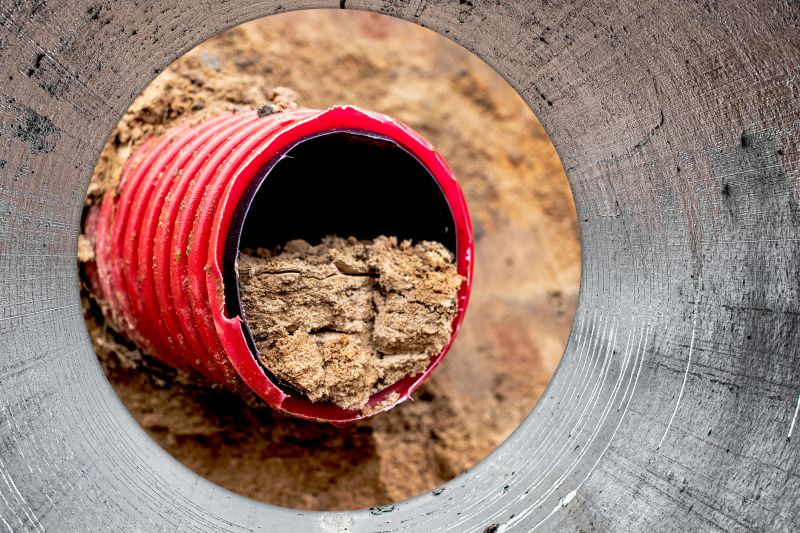
Clogged sewer repair services address issues related to blockages or obstructions within the main sewer line that can disrupt the proper flow of wastewater from a property. These projects typically involve diagnosing the cause of the clog, such as tree roots, debris, or buildup, and then removing or repairing the affected pipe sections. Property owners usually want to understand the scope of work involved, potential causes of clogs, and how the repair process might impact their daily routines or property conditions before requesting service.
Before requesting clogged sewer repair, homeowners often seek information about signs of sewer problems, including foul odors, slow drains, or gurgling sounds. It’s also common to inquire about the types of repair methods used, whether excavation or trenchless techniques are involved, and how long the project might take. Understanding these details can help property owners prepare for the work and make informed decisions about addressing sewer line issues efficiently.
Many property owners in San Antonio, TX look into Clogged Sewer Repair for repairs, replacements, upgrades, and appearance-related improvements.
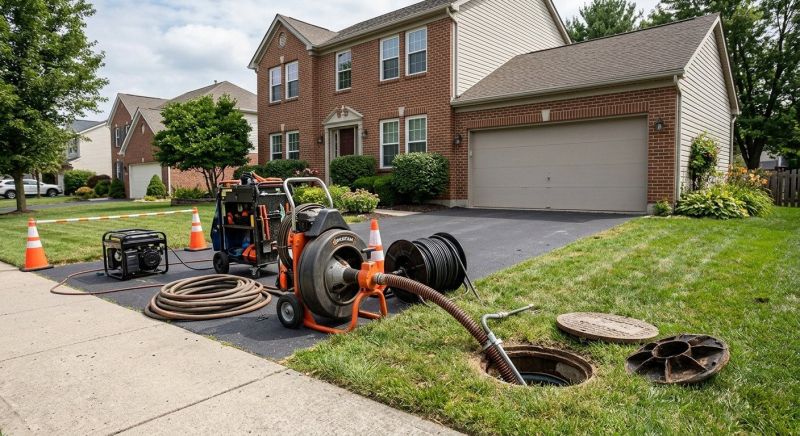
Signs Of Sewer Blockages
Slow drains, gurgling sounds, and foul odors can indicate a sewer clog in your san antonio home.
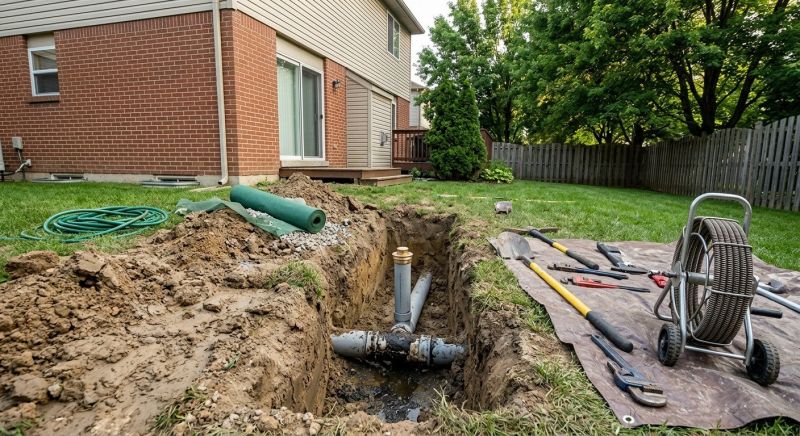
Common Causes Of Clogs
Grease buildup, debris, and tree roots are frequent culprits behind sewer line obstructions in the area.
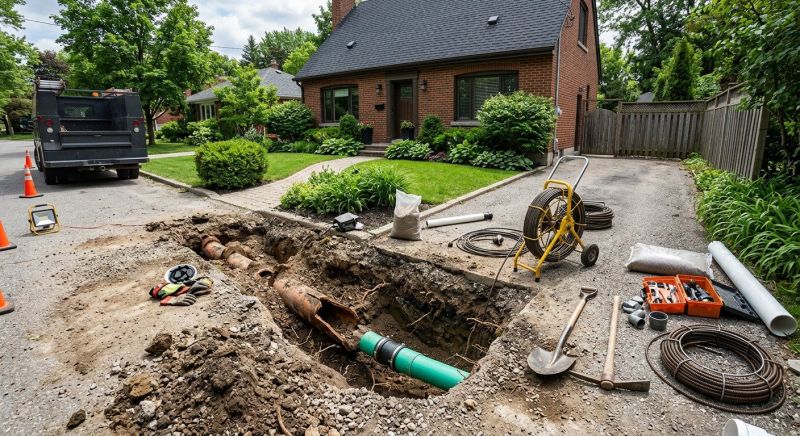
Repair And Prevention Tips
Regular maintenance and mindful disposal habits can help prevent future sewer backups in residential properties.
Clogged Sewer Repair in San Antonio, TX

Clogged sewer repair services address issues related to blockages or obstructions within the main sewer line that can disrupt the proper flow of wastewater from a property. These projects typically involve diagnosing the cause of the clog, such as tree roots, debris, or buildup, and then removing or repairing the affected pipe sections. Property owners usually want to understand the scope of work involved, potential causes of clogs, and how the repair process might impact their daily routines or property conditions before requesting service.
Before requesting clogged sewer repair, homeowners often seek information about signs of sewer problems, including foul odors, slow drains, or gurgling sounds. It’s also common to inquire about the types of repair methods used, whether excavation or trenchless techniques are involved, and how long the project might take. Understanding these details can help property owners prepare for the work and make informed decisions about addressing sewer line issues efficiently.
Many property owners in San Antonio, TX look into Clogged Sewer Repair for repairs, replacements, upgrades, and appearance-related improvements.
Common Clogged Sewer Repair Jobs
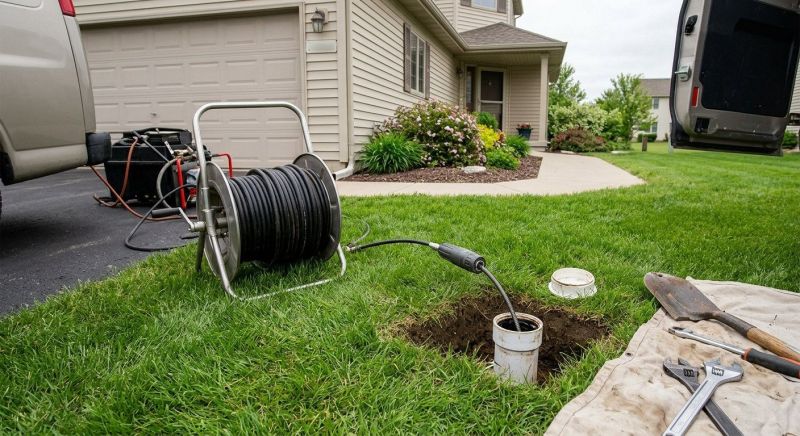
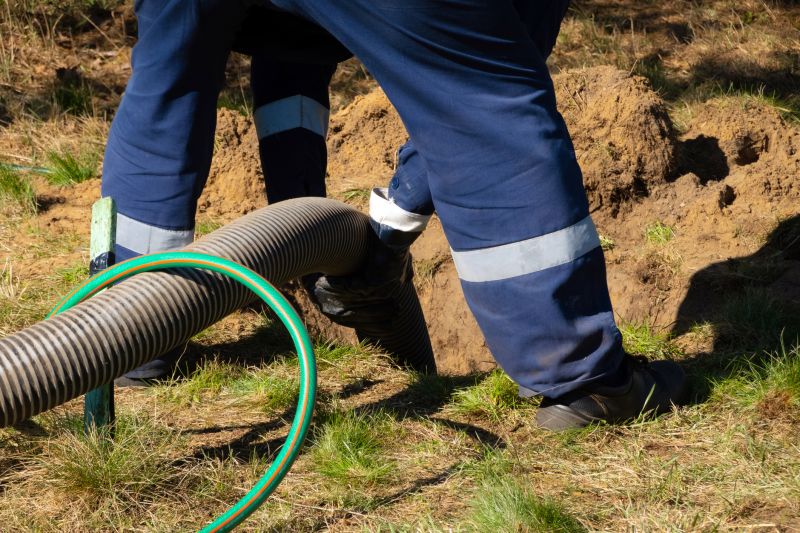
Sewer line clearing - removes blockages to restore proper flow in the main sewer line.
Drain snaking - breaks up clogs caused by grease, debris, or tree roots within pipes.
Pipe repair or replacement - addresses damaged or collapsed sewer pipes to prevent future backups.
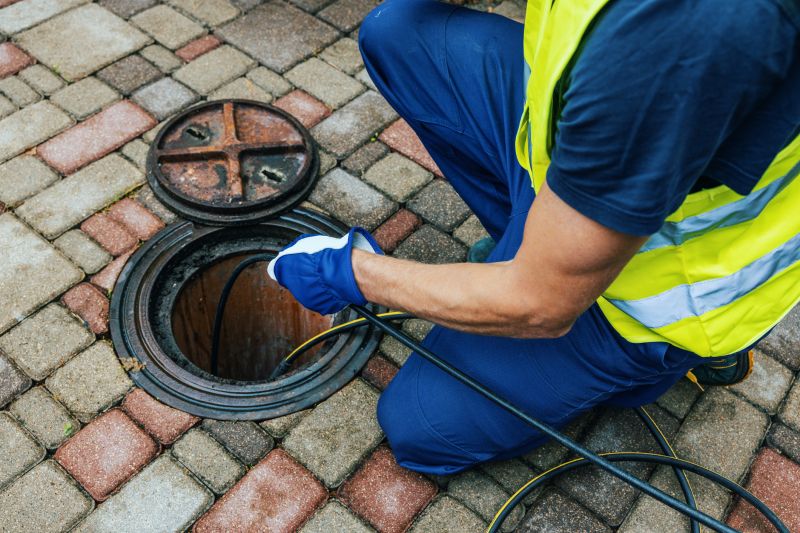
Camera inspections - identifies the exact location and cause of sewer obstructions.
Root intrusion removal - eliminates tree roots that have infiltrated sewer lines and caused clogs.
Emergency sewer unclogging - provides quick response to severe backups disrupting property use.
Clogged Sewer Repair Questions
What causes sewer clogs in homes? Common causes include accumulated debris, grease buildup, tree roots, and foreign objects blocking the pipes.
How can I tell if my sewer line is clogged? Signs include slow drains, gurgling sounds, foul odors, and water backing up in sinks or toilets.
Are sewer repairs disruptive? Repairs can vary in scope, but many methods aim to minimize disruption to property and daily routines.
What is the typical solution for a clogged sewer line? Solutions often involve clearing blockages with specialized tools or replacing damaged pipe sections if necessary.
Request Clogged Sewer Repair in San Antonio, TX
Use the quote form on this page to share the basics of your project and request more information for the type of work you need.